From Lithium to Sodium: The Next Big Leap in Battery Technology
- Share
- Issue Time
- Nov 4,2025
Summary
Smartphones keep getting faster, but real performance is now limited by battery health, not the CPU. Heat, voltage drop, and chemical aging cause throttling long before the processor reaches its limits. With smarter charging systems like GaN and PD 3.1, better battery materials, and hybrid energy designs, the next true upgrade for mobile devices will be endurance, not clock speed.
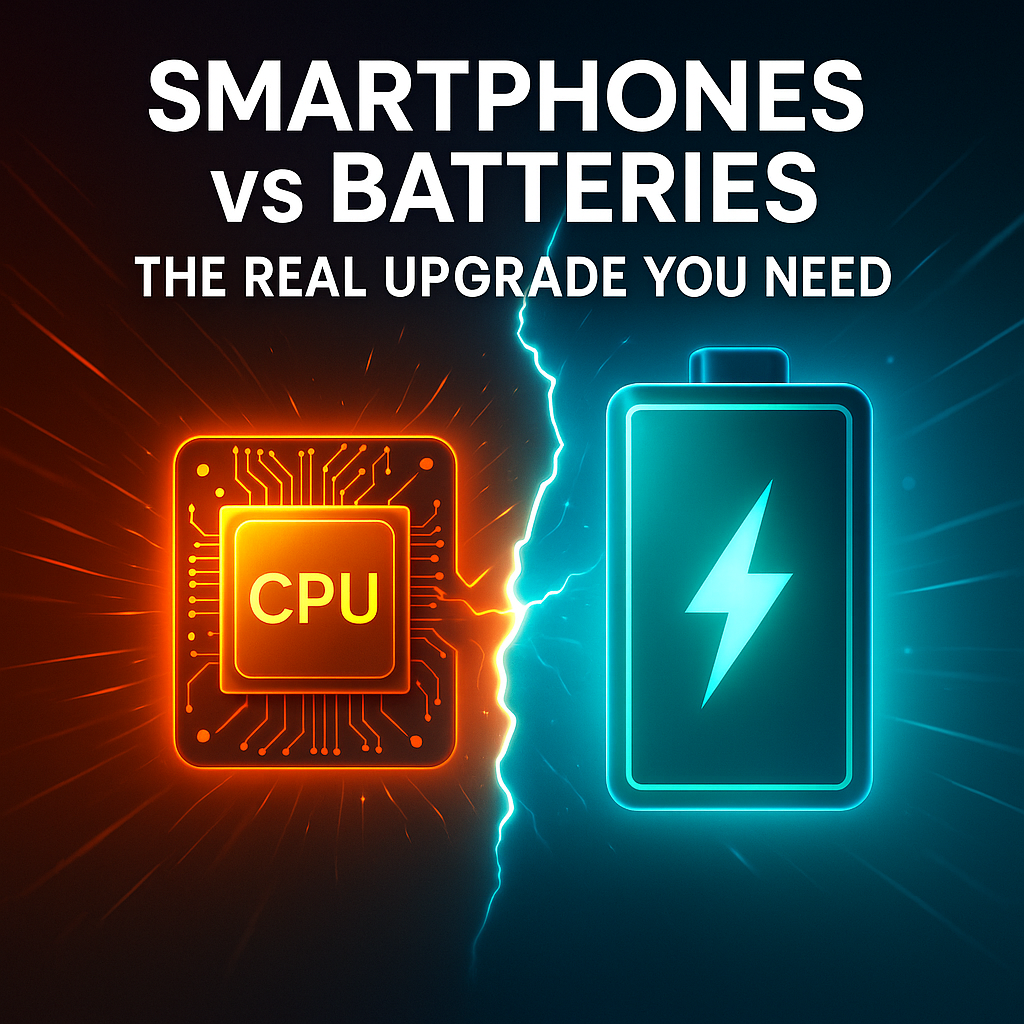
The modern CPU is a sprinter, not a marathoner. Real sustained performance is gated by battery chemistry, temperature, and power delivery. This guide shows how battery limits shape speed, and what to do to keep performance stable longer.
1) Why fast chips still slow down
High load requests high current. Battery internal resistance rises with heat, causing voltage sag.
System triggers thermal control. The CPU reduces frequency to match safe battery output.
Sustained heat degrades the cell faster, shrinking headroom for peak bursts over time.
Performance feels inconsistent. The bottleneck is power delivery, not raw silicon speed.
2) How battery health shapes real speed
Lower capacity increases voltage swings, raising throttling risk.
Higher temperature accelerates chemical aging and resistance.
Partial top-ups reduce stress and keep voltage more consistent.
3) Speed vs stamina in the real world
4) Where performance loss comes from
5) Smart charging playbook
- Use GaN PD chargers and certified USB-C cables.
- Charge between 20% and 90% for daily routines.
- Keep the phone cool and free of case heat traps.
- Leave storage headroom to reduce background churn.
- Long gaming sessions while fast charging.
- Regular 0% to 100% deep cycles.
- Cheap adapters that lack PD or PPS negotiation.
- Charging in hot cars or under direct sun.
6) Upgrade path for real gains
Extend device life with high-quality smartphone batteries, power bank solutions, and USB-C fast charging. Learn more at www.janonpowerbank.com.